In Spanish homes the default is almost always the same: single-phase 230 V. That is not a cut-price compromise. For most residential solar, battery and EV projects it is the safer, simpler and more sensible design. Three-phase power has its place in industry — and almost nowhere in a normal family house.
At the same time, many quotes still push a Huawei inverter + Backup Box as if that were “full backup”. It is not. A properly designed Deye hybrid system with the whole house on critical / EPS loads is a different architecture: during a blackout the home keeps working as a home, not as a shortlist of sockets.
This article explains both points in plain language — for home owners, for technical readers, and for anyone comparing offers.

1. Why Spanish residential electricity is single-phase
Spanish dwellings are supplied as single-phase (monofásico): one live conductor + neutral, 230 V between them. Three-phase (trifásico) brings three live conductors at 120° and 400 V between phases (still 230 V phase-to-neutral). That second layout is normal in workshops, farms and industrial units. In a villa or flat it is the exception.
- Household appliances, heat pumps, induction hobs, water heaters, sockets and lighting are built for 230 V single-phase.
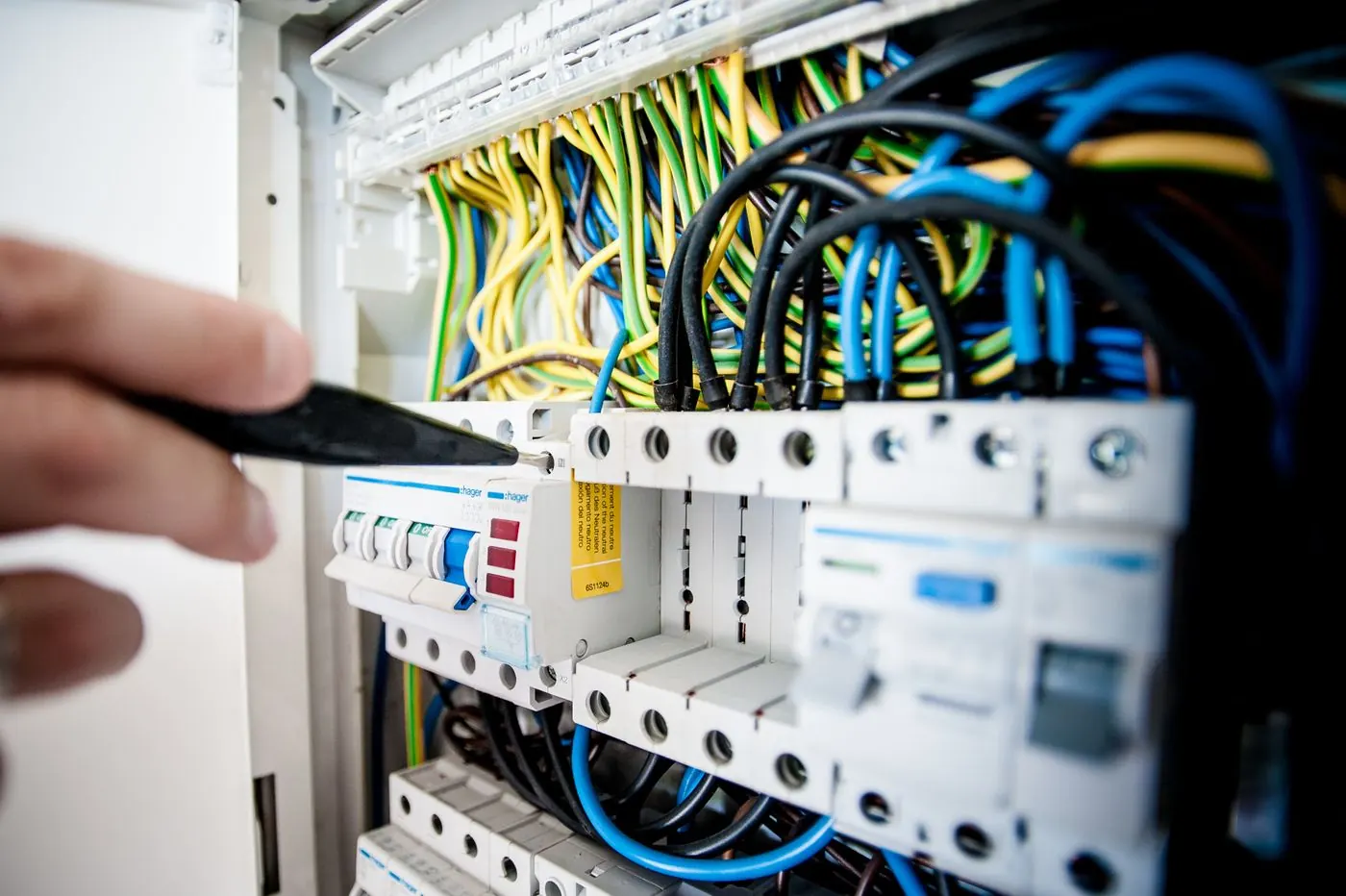
- The meter, board and protections are simpler and cheaper to size and to legalise.
- Most hybrid solar inverters and home batteries are designed first for single-phase homes — the market that actually exists.
If your house already works on single-phase, forcing three-phase “for the solar system” usually adds cost and complexity without solving a real load problem.
2. Single-phase is not “weaker” for a home
People hear “three-phase” and assume more power and more modernity. In a residence that intuition fails:
- Power is power. What matters is contracted power and the continuous rating of your inverter and cables — not the number of phases on the invoice.
- An 8 kW or 10 kW single-phase hybrid already covers a large family house with air conditioning, induction cooking and an EV, when the system is designed properly.
- Three-phase only becomes necessary when you have true three-phase motors or machines that cannot run on 230 V, or when the utility supply is already three-phase and you must match it.
For a home without industrial machines, single-phase is the clean design — not the second-best one.
3. The hidden risk of three-phase at home: a lost neutral
This is the safety argument most sales conversations skip.
In a three-phase system with a shared neutral, if the neutral conductor opens or burns (loose terminal, corroded joint, damaged cable), the voltages on the phases can unbalance violently. Equipment that expects 230 V phase-to-neutral can suddenly see much higher voltage — in the worst cases approaching phase-to-phase levels. Result: power supplies, electronics, white goods and LED drivers can fail in cascade. In plain words: a lost neutral in three-phase can destroy half the house’s equipment.
Single-phase homes are not immune to every electrical fault, but they do not carry that classic multi-phase neutral-loss failure mode. Fewer phases also means fewer ways for installers and future electricians to mis-balance loads or leave weak neutrals in overloaded boards.
Safety first: if you do not need three-phase loads, do not import three-phase risks into a family home.
4. Three-phase adds a lot of complexity — for no household gain
Moving a residential project to three-phase is not “one extra cable”. It usually means:
- Three-phase meter / tariff setup and more complex paperwork with the utility.
- A larger distribution board, more breakers, residual-current devices and careful phase balancing.
- Longer commissioning and more points of failure over 15–25 years.
- Harder future repairs: every electrician who touches the system must understand the phase map.
- Hybrid inverter and battery choices that are more expensive and sometimes less flexible for whole-house backup.
If the home has no three-phase loads today, that complexity is pure overhead. You pay for it at purchase, at legalisation, and again every time something needs service.
5. “But I have an electric car” — still single-phase in most cases
The only residential device that sometimes tempts people into three-phase is the EV charger. Even there, the maths usually favours single-phase.
Daily driving vs theoretical peak power
If you drive 20–30 km a day, a modern EV often needs roughly 3–6 kWh per day (depending on the car, speed and climate). A single-phase AC charger at about 7.4 kW (32 A at 230 V) can put that energy back in well under one hour. Overnight charging has huge headroom. You do not need industrial three-phase power to cover a normal commute.
Real monophase vs three-phase AC rates on popular cars
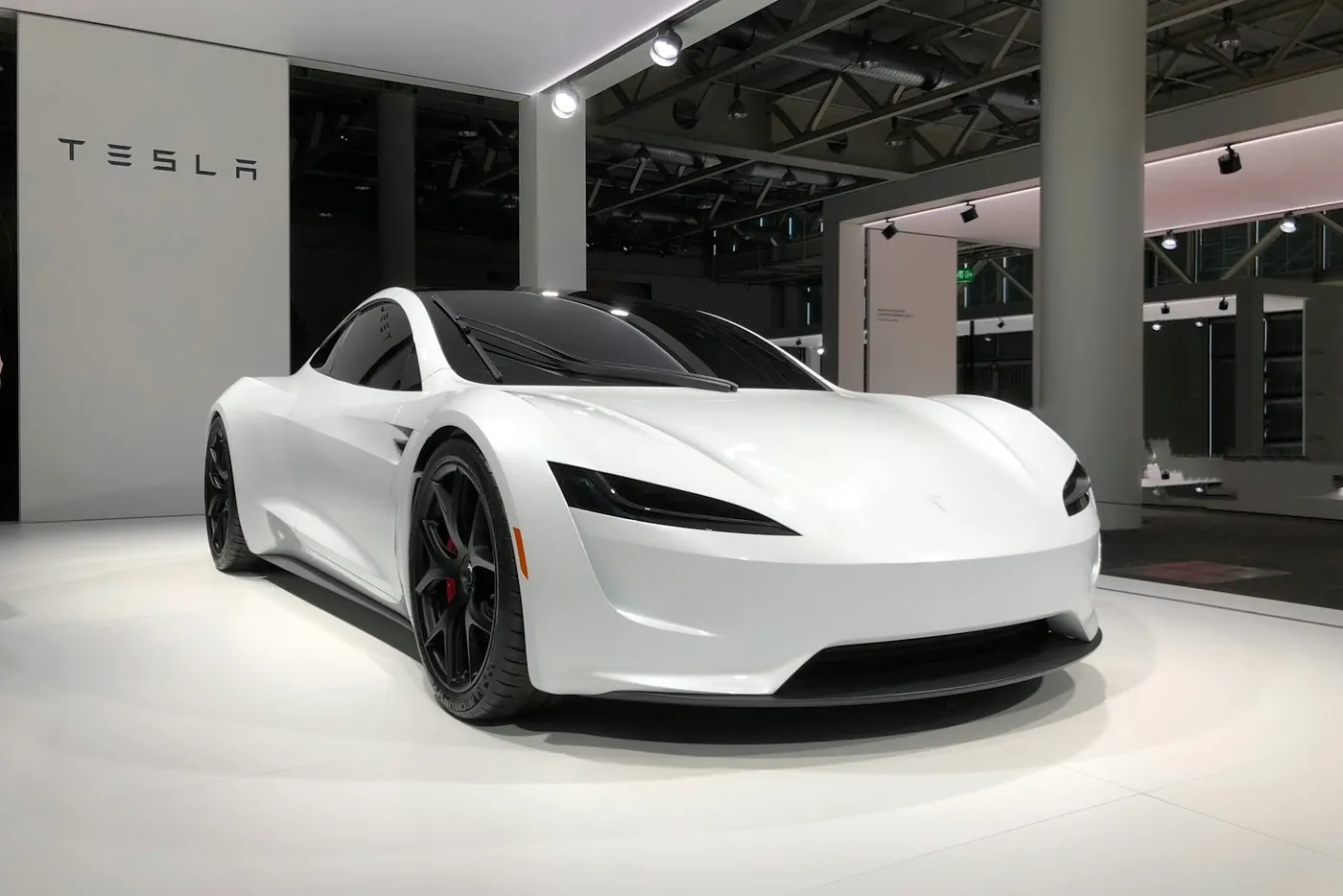
Take a common example many clients recognise — Tesla on AC:
- Single-phase: typically up to about 7.4 kW (depending on wallbox and onboard charger).
- Three-phase: often around 11 kW on many European configurations — not 22 kW unless the car and installation specifically support it.
That is a useful difference for a taxi or a high-mileage fleet car. For a private car that parks at home 14 hours a day and only needs a few kilowatt-hours, the extra 3–4 kW is rarely the bottleneck. Many owners never use the theoretical three-phase peak because the car is already full long before morning.
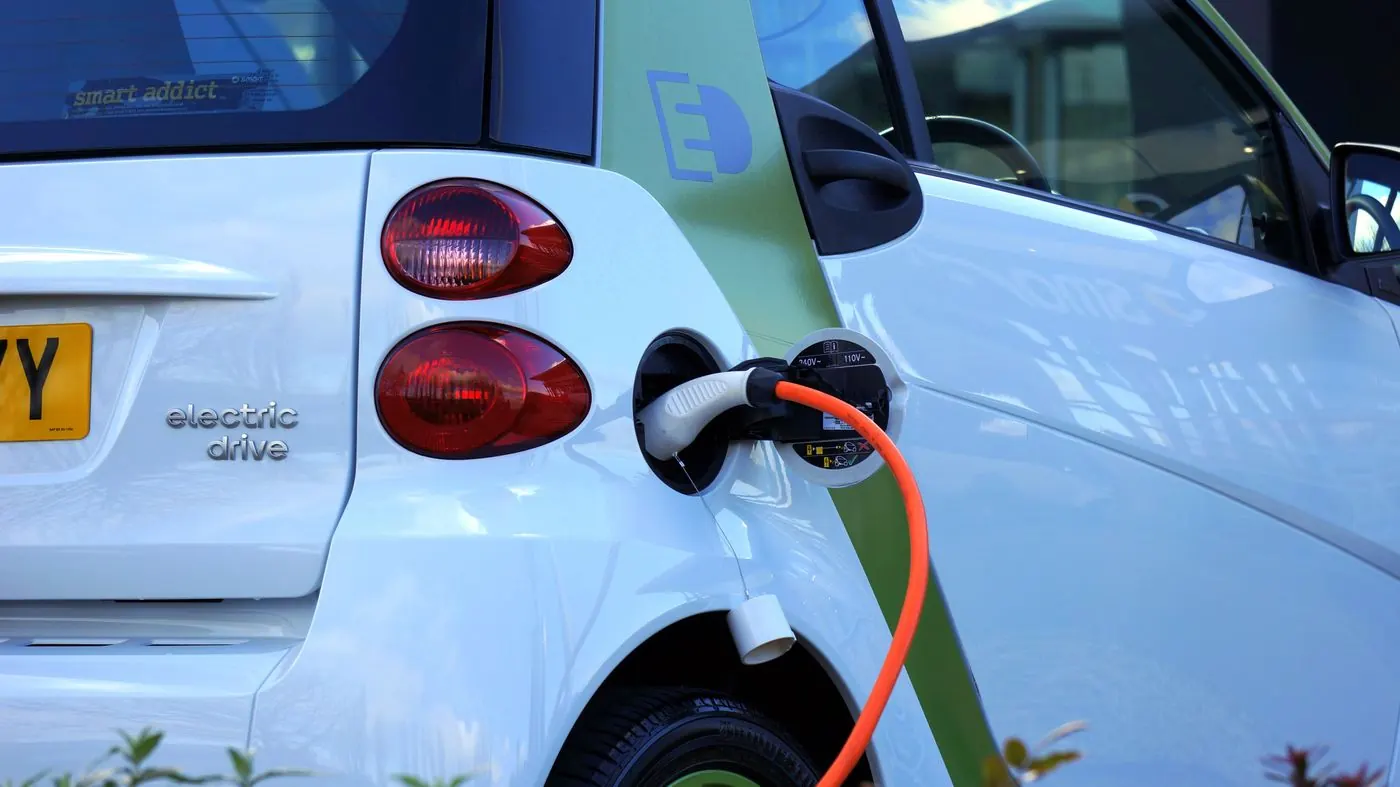
Outdoor sockets, blue industrial CEE plugs and Type 2 cables can all be arranged correctly on a single-phase feed with the right cable cross-section (commonly 4–6 mm² depending on length and protection) and a proper MCB/RCD. That is standard residential work — not a reason to rebuild the house as three-phase.
6. When three-phase does make sense
We install three-phase when the facts require it:
- The supply from the utility is already three-phase and must stay that way.
- There are genuine three-phase motors (workshops, large pumps, agricultural machinery, some industrial kitchens).
- Very high simultaneous loads that are already designed and balanced across three phases.
Outside those cases, our default for homes in Spain remains single-phase — because it is safer, simpler and enough.
7. Backup architecture: Huawei + Backup Box vs Deye whole-house critical loads
Monophase vs three-phase is only half of a good residential design. The other half is what still works when the grid fails.
How a typical Huawei + Backup Box setup behaves
Huawei residential hybrids with a Backup Box / SmartGuard-style transfer unit are capable products. The limitation is architectural, not marketing:
- Backup is usually organised around a critical-loads sub-board: you choose which circuits survive the blackout.
- During island mode, available power is often capped by the backup device and how the house was rewired, not by “everything in the house automatically”.
- Fridges and router might stay on; the oven, heat pump, EV charger or whole first floor may go dark unless you paid for a larger redesign.
- You live with two mental maps of the home: “normal grid mode” and “blackout mode with selected sockets”.
That can be acceptable if the goal is only a fridge, lights and internet. It is a weak answer if the goal is the house continues to be the house.
How a Deye hybrid with whole-house critical loads behaves
Key Deye advantage
Backup switchover is instantaneous.
Computers do not reboot. TVs do not cut out. The fridge, router and lights keep running as if the grid never failed.
That is real UPS-class transfer for the whole house — not a “blackout pause” while a Backup Box restarts selected circuits.
A modern Deye hybrid inverter (with batteries sized for the home) is built as a hybrid/EPS machine from day one. In the architecture we recommend for residential projects:
- The entire home distribution can sit on the backup / EPS side — “whole house as critical loads”.
- When the grid drops, the inverter forms a local AC supply and the home keeps running within the inverter and battery limits (for example an 8–12 kW class hybrid with a correctly sized LFP bank).
- You do not need a permanent shortlist of “allowed” appliances for every blackout.
- Transfer is instantaneous: PCs, TVs and electronics do not restart when the grid drops.
- Transfer is automatic; day-to-day use stays simple for the family.
- Solar + battery can support the home during the outage, not only a handful of labelled circuits.
Backup Box thinking: “which sockets survive?” — Whole-house Deye thinking: “the home stays on, within real power and battery limits.”
Side-by-side comparison
| Huawei + Backup Box (typical home setup) | Deye hybrid, whole house on critical/EPS | |
|---|---|---|
| What stays on in a blackout | Selected critical circuits only | The whole house (within inverter + battery power) |
| User experience | Two modes of living; some rooms/dead sockets | Normal living continues as far as stored energy allows |
| Switchover time | Often a noticeable cut while backup engages / circuits recover | Instantaneous — computers, TVs and electronics do not restart |
| Rewiring / design | Critical sub-board and load selection | Home treated as one backed-up system |
| Power during outage | Often limited by backup accessory and branch design | Aligned with hybrid inverter rating (e.g. 8–12 kW class) |
| Complexity over 15–25 years | Extra box, extra rules, easier to mis-configure later | One hybrid architecture, clearer mental model |
| Best for | Minimal emergency circuits (fridge, lights, router) | Real residential resilience and self-consumption |
None of this means “Huawei is bad hardware”. It means that for a family home that wants real backup, the Deye whole-house critical-load design matches the goal better than a Backup Box that only rescues a subset of circuits.
8. What we recommend in practice
- Stay single-phase for a normal Spanish house unless you already have three-phase supply or true three-phase machines.
- Size the hybrid for the house (commonly 8–10 kW class in modern homes with heat pump and EV), not for a theoretical industrial future.
- Put the whole home on the backup path with a hybrid architecture designed for that (our preferred residential path today is Deye + LFP batteries).
- Charge the EV on single-phase AC if daily distance is modest; use the solar surplus and off-peak hours instead of chasing three-phase peaks you will not use.
- Keep the electrical story simple: simple systems fail less, are easier to legalise, and are easier to service in ten years.
Clear bottom line
In Spanish residential work, single-phase is the standard because it is safer and simpler — not because it is incomplete. Three-phase adds cost, board complexity and a serious lost-neutral risk without helping a home that has no three-phase loads. An electric car that does 20–30 km a day does not change that; single-phase AC charging is already enough, and the jump from ~7.4 kW to ~11 kW on many Teslas is rarely the deciding factor at home.
On backup, do not confuse a Backup Box for a few critical circuits with a hybrid system that keeps the whole house alive. If resilience matters, design the house as one backed-up system — that is where a Deye whole-house critical-load installation is clearly stronger than a Huawei + Backup Box approach for residential use.
If you want us to review your board, contracted power and daily EV kilometres against a concrete single-phase hybrid design, we can do that study with real numbers for your home — not with generic three-phase marketing.