Genergy sells generators that, on many off-grid projects, are critical kit. When the unit stops generating, the catalogue does not matter: after-sales does. This is a short manual on how not to run technical support, using the Genergy Mulhacén Sol as the pattern example — and Atodosol’s stance: the installer always defends the end customer.
It is not a personal score-settling piece or an email diary. It is what repeats when the brand — here Genergy — prioritises internal narrative over the homeowner’s supply. We omit the customer’s personal data and people’s names. Genergy and the Mulhacén Sol stay centre stage, on purpose, and often.

1. Genergy must not erase the consumer by looking only at the installer’s invoice
Installers often buy through a professional channel and sell and install to a private customer. If Genergy after-sales only sees the B2B invoice and applies “one business year, expired”, it is looking at the wrong channel. The person without power is the end consumer. Genergy’s own terms essentially distinguish private vs professional cover: apply the real user’s frame, not the shortcut of the installer’s tax ID.
The homeowner is not Atodosol’s warehouse or Genergy’s. They are the customer who needs repair or origin-warranty pickup of the Mulhacén Sol when it is due.
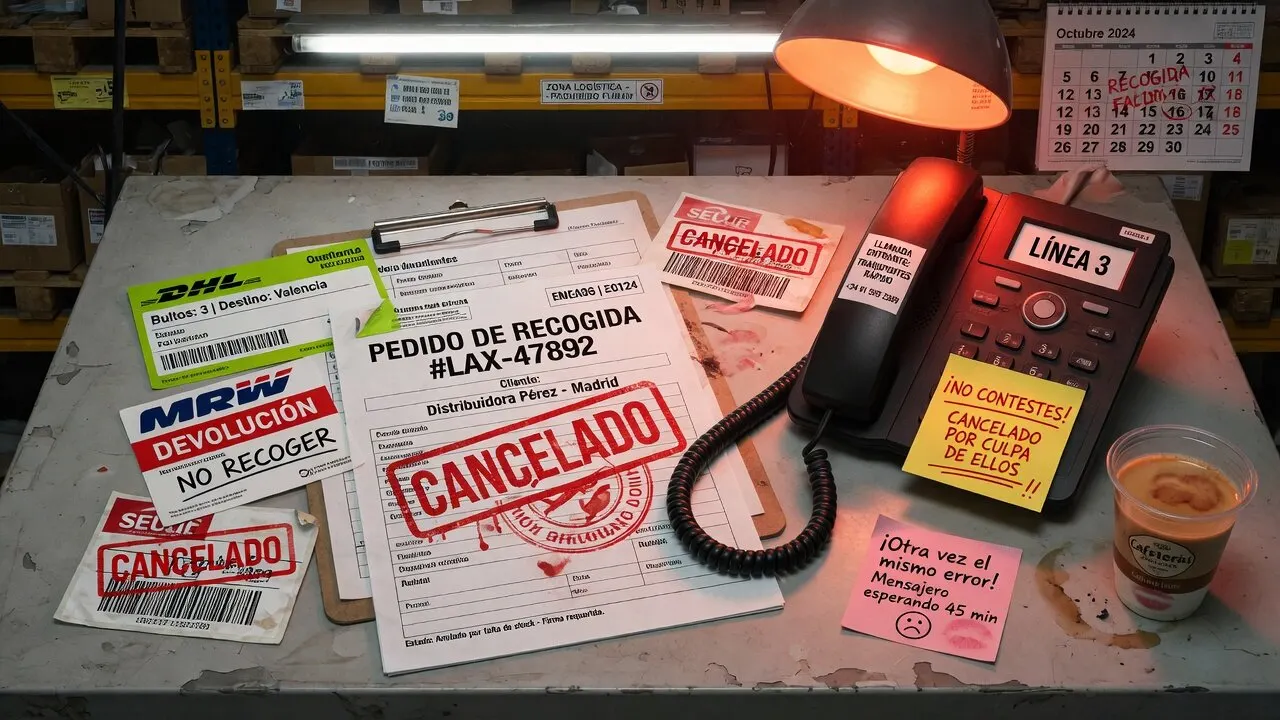
2. Genergy must not agree a pickup and undo it the next day without agreement
If Genergy documents a warranty pickup (transport, check, return) and shortly cancels it with the carrier without a new agreement with the installer, that is not a “misunderstanding”: it is a change of criteria that leaves the homeowner — and the installer covering with backup — in limbo. Serious Genergy after-sales renegotiates with whoever owns the case or honours what was put in writing.
3. Genergy must not turn the homeowner into the Mulhacén Sol workshop
“I’ll send the part and you fit it” can be fine for a trivial consumable. On a dead Genergy Mulhacén Sol in an off-grid home, tied into PV, it dumps Genergy’s and the installer’s work onto the customer. Clean paths: documented Genergy pickup, or Genergy parts plus professional field work agreed and paid to whoever works on site — not forced DIY.
4. Genergy must not use the customer’s phone outside the stated purpose
If Genergy asks for a phone “for the carrier at pickup”, that data has a purpose. Using it to contact the private customer behind the installer’s back, push DIY, or scold them for calling who installed the system is bad Genergy after-sales and a data-protection problem. Genergy’s professional counterpart is the installer — not the homeowner as a call-centre joker.
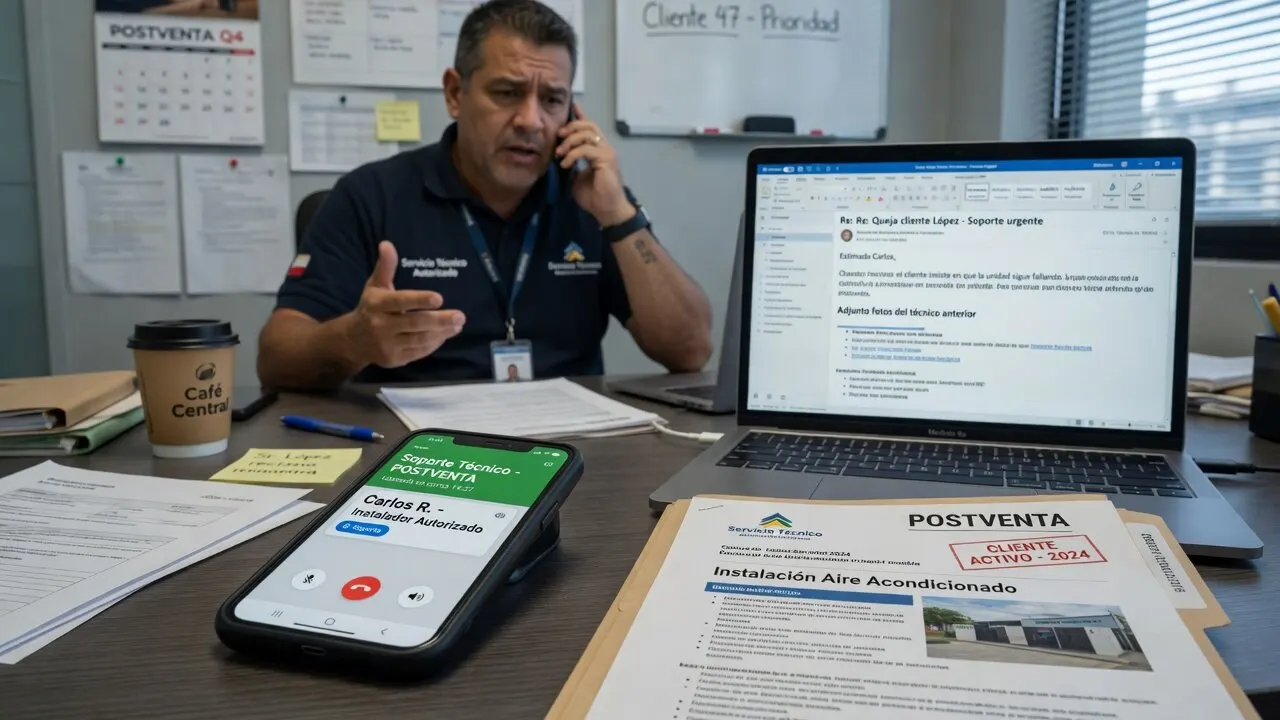
5. Genergy must not rewrite the file when the facts say otherwise
Trust breaks when the trail with Genergy says one thing and the next day’s speech says the opposite: warranty questioned, then “never rejected”; pickup accepted, then dissolved into limbo. Adult Genergy after-sales sticks to the documentary thread. Managing the narrative while the customer still has no working Mulhacén Sol is the opposite of support.
How to do it properly (and how we do it at Atodosol with Genergy)
- Customer first: off-grid with a failed Genergy, prioritise continuity (backup, real timelines), not Genergy ticket pride.
- One serious channel: Genergy ↔ installer; do not use the private customer to isolate who sold and installed the Mulhacén Sol.
- Stable agreements with Genergy: if there is a pickup, there is a pickup; if the path changes, it is agreed with numbers.
- Transparent field costs: dismantling, travel, reinstall and backup are not gifted to whitewash Genergy after-sales. They are documented, with clear exits.
- Privacy: data Genergy requests only for the stated purpose.
- If Genergy does not close: fight with a file and the proper legal path, not chat noise.
Atodosol defends the end customer even when the problem is named Genergy. That means not leaving them stranded, not surrendering the channel to Genergy after-sales that calls them behind our back, and not accepting a “yes” one day and a “no” the next without consequences.
Lessons (with Genergy at the centre of the example)
- Installers: document every dealing with Genergy; do not normalise bypassing to the homeowner; rate field work.
- Homeowners: your warranty does not vanish because the installer bought the Genergy unit professionally; if Genergy contacts you in parallel, tell who installed you.
- Genergy (and any manufacturer): a stable rule and a completed pickup are worth more brand than a thousand “misunderstandings”.
Closing
Genergy after-sales is not an accessory to the Mulhacén Sol: it is the product when the generator stops generating. You can support badly in a thousand ways; when the pattern is a misused B2B invoice, an unstable pickup, the homeowner in the middle and a rewritten story, the cost is paid by the customer and the installer — and, over time, by Genergy itself. We prefer the boring path: facts, timelines, a clear channel with Genergy and the private customer protected.
Atodosol Instalaciones Fotovoltaicas. After-sales lessons with Genergy / Mulhacén Sol as the pattern case (2026). No end-customer personal data and no Genergy individuals’ names. No administrative fine or court ruling is claimed.