When a home or business needs energy independence or a backup against power cuts, a very common question comes up: which is better, a solar panel or a diesel generator?
For years, diesel generators were the best-known way to get electricity in remote locations or as a backup system. The advance of photovoltaic technology has, however, completely changed the picture.
In this article we look in depth at the differences between the two systems, their pros and cons, and why more and more homes and businesses are choosing solar energy as a stable, profitable and sustainable solution.
How a diesel generator works
A traditional generator runs on combustion. It uses petrol, diesel or gas to drive a motor that produces electricity.
Its main characteristics are:
- It depends on fossil fuel.
- It produces noise.
- It needs regular maintenance.
- It emits polluting gases.
- It is designed mainly for occasional or emergency use.
Generators are useful in specific situations: building sites, temporary events or as backup against blackouts. But when we talk about continuous supply or medium- and long-term energy savings, important limitations start to appear.
How solar panels work
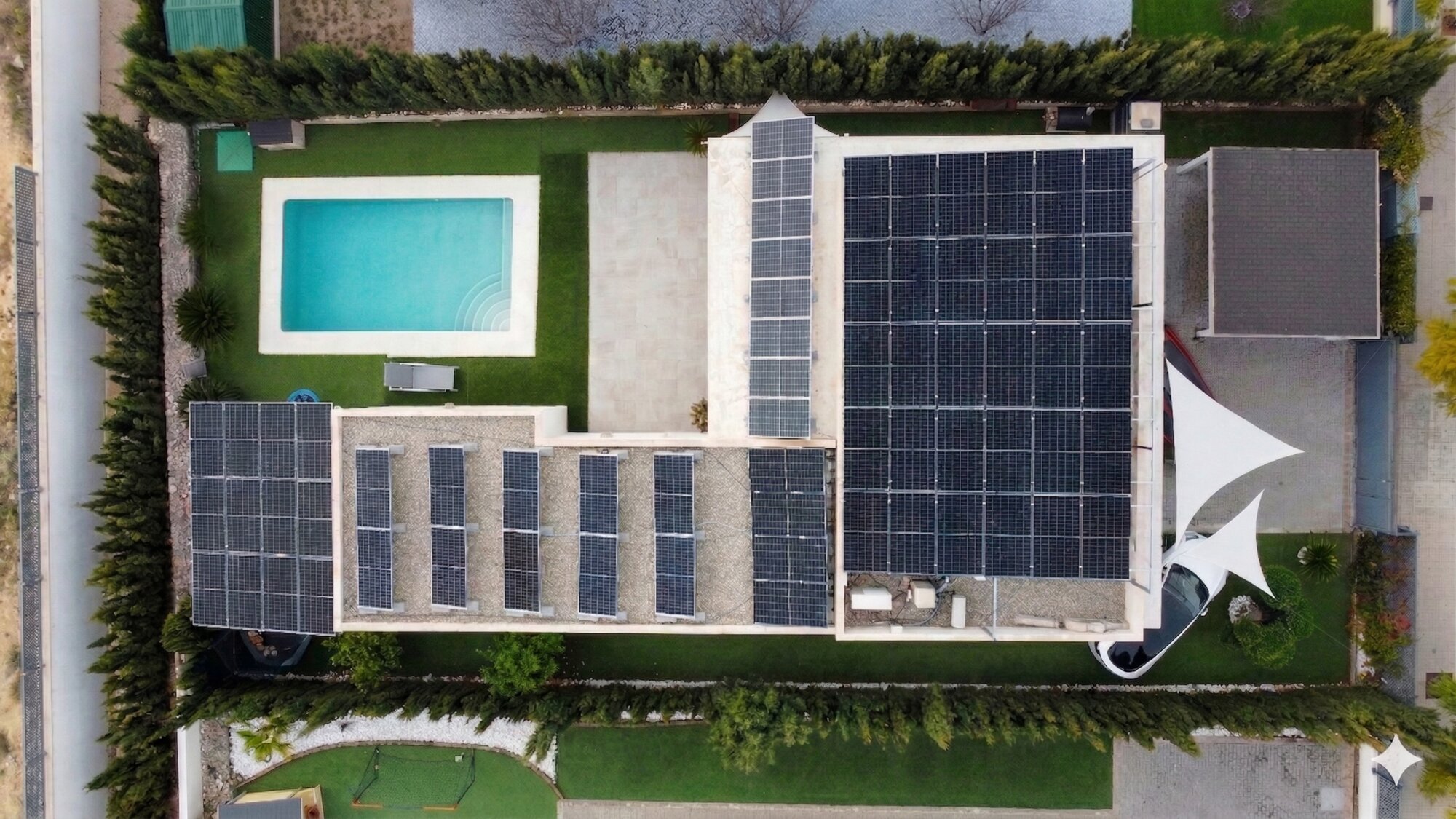
Solar panels convert sunlight into electricity through photovoltaic cells. That energy can be used in real time, stored in batteries or injected back into the grid for surplus compensation.
Their main technical advantages are:
- They consume no fuel.
- They make no noise.
- They require almost no maintenance.
- They have a useful life of more than 25 years.
- They produce clean and renewable energy.
While a generator needs fuel every time it is used, a solar installation produces energy automatically every day.
Upfront cost vs long-term cost
One of the first comparisons people make is the purchase price.
Diesel generator
The upfront cost may look low. However, you need to factor in:
- Ongoing fuel expenditure.
- Mechanical inspections.
- Parts replacement.
- Possible breakdowns.
- Safe storage of the fuel.
Over the years, the accumulated cost can far exceed the initial outlay.
Solar panels
The upfront investment is higher than that of a basic domestic generator. However:
- There is no fuel expenditure.
- Maintenance is minimal.
- Subsidies and tax deductions of 60% are available.
- The savings on the electricity bill are constant.
Solar energy turns a variable, unpredictable cost into an amortisable, stable investment.
Noise and comfort
This is one of the most overlooked factors.
A diesel generator produces constant noise while running. In residential or tourist environments it can be annoying, especially at night.
Solar panels, by contrast, work completely silently.
For rural homes, second residences, holiday accommodations or businesses that value comfort and image, this difference is decisive.
Environmental impact
Diesel generators run on fossil fuels. That means:
- CO₂ emissions.
- Polluting gases.
- Fuel smell.
- Risk of spills.
Solar panels produce clean energy with no direct emissions.
The transition to renewables is not only an economic question, but also one of environmental responsibility. More and more businesses care about their carbon footprint, and solar energy is a direct tool to reduce it.
Reliability and autonomy
Another common question when someone asks which is better, solar panel or diesel generator, is autonomy.
Generator
- It depends on the available fuel.
- If the fuel runs out, it stops working.
- It can fail through mechanical breakdown.
- It requires manual starting or an additional automatic system.
Solar panels
- They run automatically.
- They can be combined with batteries.
- They can be grid-tied as a backup.
- They have fewer mechanical components prone to failure.
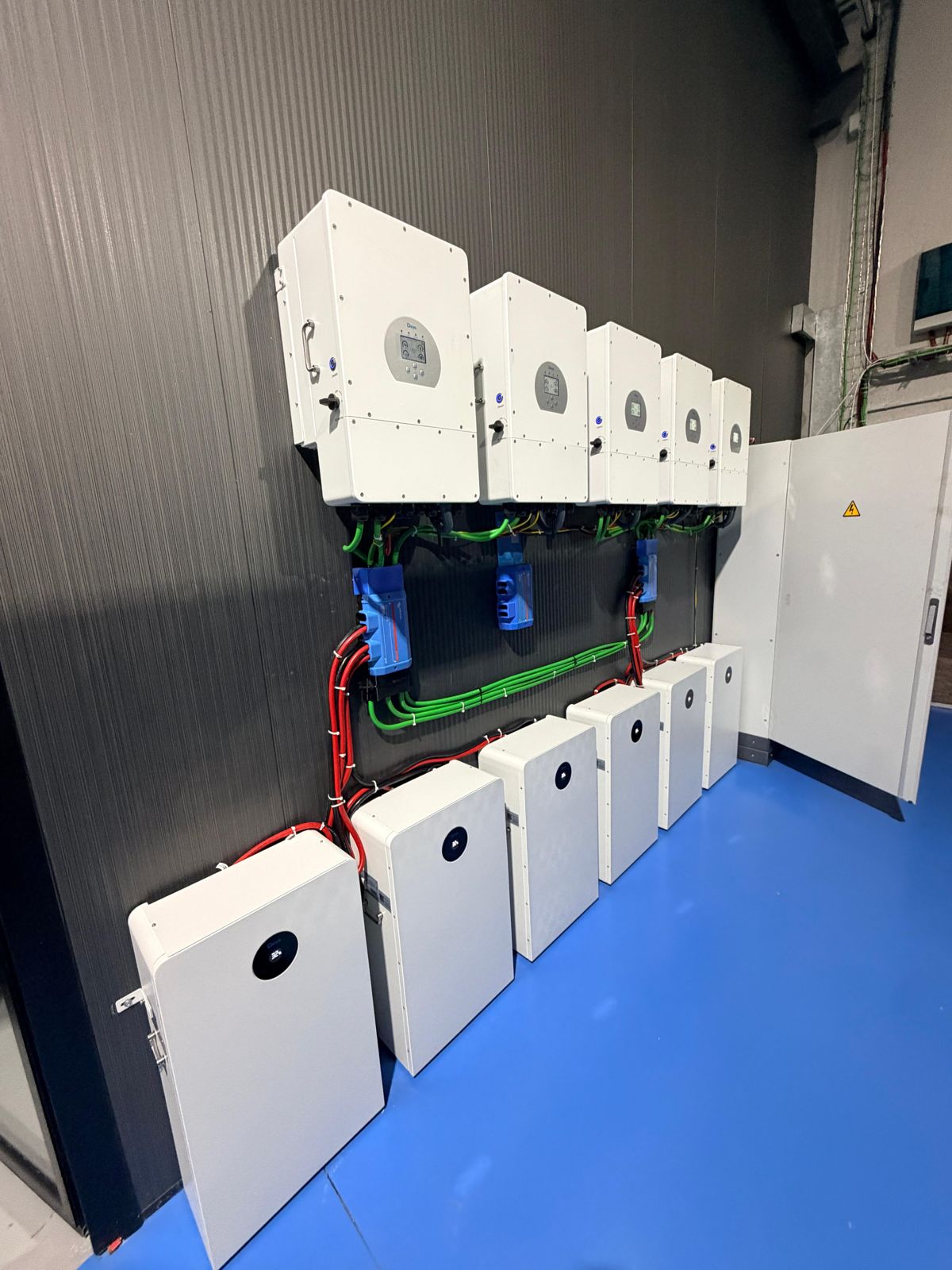
In well-sized installations, the combination of solar panels and batteries offers energy autonomy without depending on refuelling.
Maintenance and durability
A generator is a mechanical machine. Like any motor:
- It needs oil changes.
- It requires filter inspections.
- It can wear down.
- It has a more limited useful life.
Solar panels last much longer. The panels can keep more than 80% of their performance after 25 years. The inverter may need replacement after 10–15 years, but overall maintenance is minimal.
Less maintenance means fewer worries and fewer unexpected costs.
Safety
Generators imply:
- Storage of flammable fuel.
- Risk of gas poisoning.
- Possible overheating.
Solar installations, when properly designed and certified, offer high electrical safety standards and do not involve dangerous fuels.
For families and businesses, this is a key factor.
Continuous use vs occasional use
A diesel generator is designed for:
- Emergencies.
- Punctual outages.
- Temporary events.
Solar panels are designed for:
- Daily production.
- Permanent cost reduction.
- Continuous self-consumption.
- Structural saving.
If the goal is to steadily reduce the electricity bill, a generator is not a suitable solution.
Real profitability for homes and businesses
When we look at real projects at A Todo Sol, most clients are not just looking for power during a blackout. They are looking for:
- Monthly savings.
- Independence from electricity price hikes.
- Property revaluation.
- A sustainable image.
In that context, solar energy offers clear advantages over a fuel-based system. Even in businesses where supply continuity is critical, the optimum solution is usually combining solar panels with specific backup systems, not relying solely on a traditional generator.
When does a generator make sense?
To be honest, there are situations where a generator can be useful:
- Extremely isolated locations with no electrical grid.
- Temporary works.
- One-off events.
- Very sporadic use.
Even in these cases, solar with batteries has advanced so much that many off-grid installations no longer need a generator as the main source.
Direct comparison: solar panel vs diesel generator
Summarising the main factors:
- Long-term cost: clear advantage for solar.
- Environmental impact: advantage for solar.
- Noise: advantage for solar.
- Maintenance: lower for solar.
- Fuel dependency: only on the generator.
- Continuous use: more efficient with solar panels.
So, when someone asks which is better, solar panel or diesel generator, the answer in most residential and business cases is clear: solar energy offers more stability, savings and sustainability.
And what if I want backup against blackouts?
A very interesting solution is to combine:
- Solar installation.
- Batteries.
- Automatic backup system.
This way, in the event of a grid outage, the home or business can keep operating without firing up a combustion motor.
This combination offers:
- Clean energy day to day.
- Safety against outages.
- A drastic reduction in fuel dependency.
The long view: the energy transition
The energy market is changing. European regulations are pushing decarbonisation and the use of renewable sources.
Investing in solar today makes sense not only economically, but strategically.
A diesel generator will keep depending on fuel prices. Solar panels depend on the sun, a free and abundant source.
The question is no longer just which is better, solar panel or diesel generator, but what energy model you want for the next 20 or 30 years.
How to choose the best solution for your case
Every home and every business has different needs:
- Consumption profile.
- Geographic location.
- Required power.
- Available budget.
- Need for autonomy.
At A Todo Sol we run personalised studies to determine which solution is most efficient in each case. Sometimes the answer is a standard solar installation; in others, a hybrid system with batteries and backup.
The goal is not to install more power than you need, but to design a system that is profitable and a good fit.
Comparing solar energy and diesel generators means looking beyond the upfront cost. When you factor in maintenance, fuel, noise, environmental impact and long-term profitability, solar panels offer clear advantages in most residential and business scenarios.
A generator can solve an emergency. A well-designed solar installation can transform your energy model for decades.
If you are weighing up the move towards energy independence and want a real analysis based on your consumption, at A Todo Sol we can help you take an informed and profitable decision.